What I do (depending on depth) for this - is if you're in shallow enough water (10 feet or less usually) and you can see enough of the ice - look for the clear spots in-between spots that are white/lighter (full of bubbles/oxygen) - the bubbles are from plants and the clear spots usually mark a sandy bottom or at least a spot with nothing growing there that's in between all those weed beds - IMO one of the best places to drop a bait into for many species - in my experience this has been my best technique on spots/lakes I knew nothing about -Puslinch lake, but Rondeau bay especially - landed my PB pike (37 in) with no electronics or knowledge of the bay - and every other time I used that rule of thumb I caught "something" and usually did fairly well and never used electronics and was just winging it.
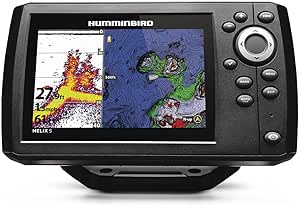
Second thing is, DOWNLOAD the NAVIONICS APP if you have a smart phone and data on it. For like 15 bucks a year you can see a detailed depth and contour chart of almost any lake - by looking at this you could pick out some spots to consider based on contour lines, possible current flow, humps, holes etc. long before you head out and all while having a beer at home on your laptop. That's what I'm doing for my trip in February to Cook's bay (first time) here's the site to take a peak:
https://www.navionics.com/Third thing you will likely be told is to move around until you find them. That can be a good trick. Ironically though I've had some of my best days waiting them out and I've heard simcoe is a lake you can wait them out on - so that's more preference I think and whether or not you're walking lol
Fourth and most obvious is once you get there see where the other huts are - and use that as a starting point. Also try different depths and try to have a few different presentations on until you find one that works (again kinda obv but I'll say it anyways lol)
IMO navionics will be your best friend for this plus if you DO find a good spot, you can mark it for later/the next day super easily



 Exploring new lakes and finding the fish